
Understanding the Allure of Casino Games
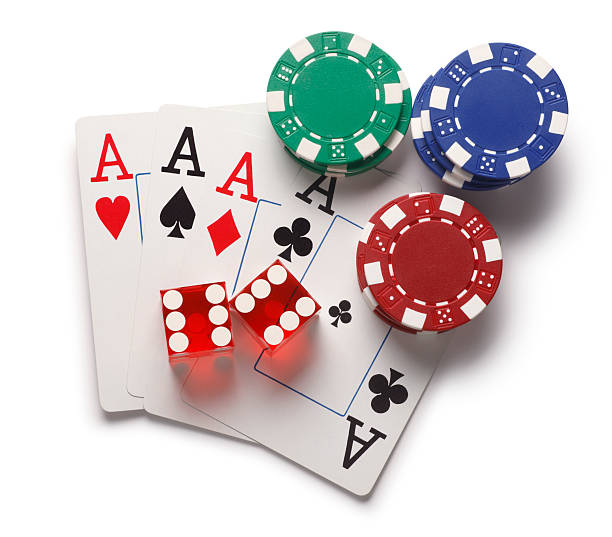
The world of casino gambling is a complex tapestry woven with threads of excitement, strategy, and the ever-present allure of potential reward. At its core, the appeal lies in a potent cocktail of psychological triggers, and while the thrill of the game is undeniable, understanding the psychology behind it is key, as is knowing where to find reliable information, such as on the mostbet website. The flashing lights, the sounds of slot machines, and the social atmosphere all contribute to an environment designed to stimulate the senses and create a sense of anticipation. This heightened state of arousal can make the experience feel more engaging and memorable, drawing individuals back for more.

Beyond the sensory stimulation, the fundamental concept of chance plays a significant role. The inherent unpredictability of outcomes taps into our innate desire for novelty and surprise. Even when faced with statistical odds, the possibility of a win, however slim, can be a powerful motivator. This is often reinforced by near misses, which can create a false sense of control or imminent success, making players feel closer to a win than they actually are.
The Cognitive Biases at Play
Casino environments are fertile ground for cognitive biases, mental shortcuts that can influence our decision-making, often leading us astray. One prominent bias is the “availability heuristic,” where the memory of a recent win (either our own or someone else’s) makes a future win seem more likely. This can overshadow the statistical reality of the game. Similarly, the “gambler’s fallacy” is the mistaken belief that if a certain outcome has not occurred for a while, it is “due” to occur, disregarding the independence of each event in games of chance.
Another common bias is “confirmation bias,” where individuals tend to seek out and interpret information that confirms their existing beliefs, such as the belief that they have a winning strategy. This can lead to a disregard for evidence that suggests otherwise. The illusion of control is also a powerful factor, where players might believe they can influence the outcome of games that are purely random, through rituals, specific betting patterns, or superstitions.
The Emotional Rollercoaster of Gambling
The emotional landscape of a casino is a volatile one, marked by peaks of elation and valleys of despair. The thrill of a win can trigger a release of dopamine, a neurotransmitter associated with pleasure and reward, creating a powerful euphoric feeling. This can lead to a desire to chase that feeling, even if the subsequent losses outweigh the initial gain. Conversely, losses can evoke feelings of frustration, regret, and even anger, leading to impulsive decisions in an attempt to “win back” what was lost.
The interplay between these emotions and the cognitive processes involved in gambling creates a unique psychological dynamic. The desire to escape negative emotions can be a significant driver for some individuals, leading them to use gambling as a coping mechanism. However, this often exacerbates the problem, as the temporary relief is replaced by more significant financial and emotional distress. Understanding these emotional responses is crucial for recognizing problematic gambling behavior.
Strategies for Responsible Engagement
Navigating the psychological intricacies of casino gambling requires a conscious effort towards responsible engagement. Setting clear limits on both time and money before commencing any gambling activity is paramount. This involves defining a budget that one can afford to lose without impacting essential financial obligations. Equally important is recognizing the signs of emotional distress or compulsive behavior and knowing when to step away from the games. Taking regular breaks and engaging in activities outside of gambling can help maintain a balanced perspective.
Educating oneself about the odds and probabilities associated with different casino games is another vital step towards responsible play. Understanding that most casino games are designed with a house edge, meaning the establishment has a statistical advantage over the long run, can help temper unrealistic expectations. Focusing on the entertainment aspect rather than solely on the potential for financial gain can foster a healthier approach to casino gaming.
Exploring Options at Carroll School Blog
While the Carroll School Blog primarily focuses on educational content and community updates for students, parents, and staff, its platform can indirectly serve as a resource for discussions around responsible decision-making. Topics related to critical thinking, understanding statistics, and managing impulses are all fundamental to academic development and can be applied to various aspects of life, including understanding the psychological elements of activities like casino gambling.
The blog’s emphasis on fostering a well-rounded individual through academic excellence and community engagement encourages the development of self-awareness and informed choices. By promoting a culture of learning and thoughtful consideration, the Carroll School Blog implicitly supports the understanding of complex behaviors and the importance of making sound judgments, which are essential when encountering situations involving chance and potential risk.


Recent Comments