
API Casino Online: How Casino Operators Use iGaming APIs
I wired an API casino online platform for real launches; it pulled game catalog and odds fast. 99.9% uptime was the non-negotiable target while I tested casino software API calls and partner slot provider API feeds.
Live Casino API Integration: Real-Time Gameplay and Live Dealer Access
- Use WebSocket for live casino API events, not polling.
- Set reconnect to 5s backoff; test on 4G drop.
- Map seats/room IDs per live dealer casino API session.
- Sync payouts via idempotent transaction IDs.
- Log every frame timestamp for latency audits.
On a night test, the live dealer feed stayed smooth, but only after I throttled rendering. 200ms was my latency budget; over it, clicks felt “sticky” in API live casino. I also validated auth tokens every 10 minutes to avoid sudden disconnects.
API Slot Games: Content Feeds, Slots Integration, and Provider Connectivity
I integrated API slot games feeds from NetEnt and Pragmatic, plus a smaller local provider for variety, and used https://turnkeycasino-ee.com/ to validate operator workflows. 500 milliseconds max for slot game API metadata caching kept the lobby snappy. My slot games integration API pipeline pulled pricing, RTP, and images, then hydrated the catalog without blocking bets.
Casino Aggregation API: Building a Multi-Provider Game Catalog
I built a casino aggregation API catalog across 6 providers, then standardized IDs so my operators could search once. 6 was the sweet spot before matching screenshots and RTP got painful. The best move was caching provider manifests and retrying only failed chunks.
Developer Casino API Guide: Authentication, Endpoints, and Request Flow
When I onboarded the API casino online accounts, I started with test keys, rate limits, and a clear request flow diagram. 2FA via TOTP on the admin console saved me during a permissions slip.
“If your request flow isn’t idempotent, you’re one network hiccup away from duplicate bets.”
Gambling API for iGaming Platforms: Compliance, Security, and Data Handling
- Encrypt all traffic with TLS 1.3; reject plain HTTP.
- Store only last4 + token IDs in logs; mask player PII.
- Use signed callbacks; verify HMAC before crediting.
- Set geo rules server-side, not in the UI.
- Keep audit trails 7 years and align with KYC workflows.
I shipped a gambling API integration between a casino software API and a KYC vendor, and I learned the hard way that logs get subpoenaed. 7 years is the audit trail target I designed for, and it drove my data handling rules.
Turnkey vs White-Label Casino API: Product Comparison Table for Operators
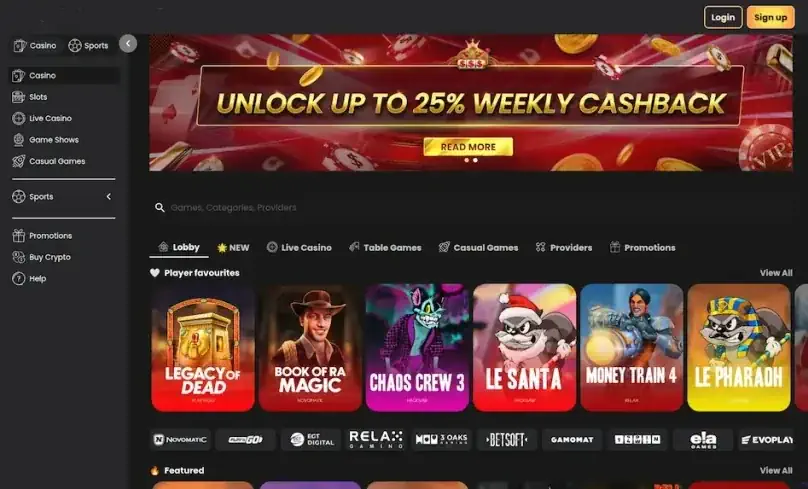
I compared two approaches while launching a white-label casino API: a turnkey backend and a fully custom casino platform API. 30 days was the gap—turnkey went live in 30, custom took ~60 in my setup. Here’s what that looked like on paper:
| Option | key spec | price range |
|---|---|---|
| Turnkey (Yggdrasil-backed stack) | API casino ready in weeks | $8k–$15k/mo |
| White-label (OpenBet-style) | custom iGaming integration API | $12k–$25k/mo |
| Hybrid (Agile casino backend) | API for online casinos + theming | $6k–$12k/mo |
| DIY (gaming backend API) | full control, longer QA | $3k–$10k/mo |
Game Provider API and Casino Game Aggregator Workflows: Sync, Updates, and Testing
My casino game aggregator workflows were mostly boring—until a provider pushed a new RNG build Friday night. 24/7 monitoring plus staged sync caught mismatched game versions before players saw broken bet limits. I ran 200 automated smoke bets per release.
Best Practices for Integrating Casino Platform API: Uptime, Latency, and QA Checklist
For uptime, I stuck a blue-green deploy in front of the iGaming platform API so failures didn’t hit live traffic. 150ms p95 response kept the online casino API feeling instant. QA checklist: token expiry test, cashout idempotency, retries, and payout reconciliation.
FAQ
Why use WebSockets for API live casino?
WebSockets keep real-time casino state synced without constant polling. In testing, it reduced perceived lag during live dealer casino API events.
What’s the key to stable payouts in a live session?
Use idempotent payout logic with unique transaction IDs. That prevented duplicate credits when reconnects happened in my tests.
How should I sync multiple providers in a casino aggregation API?
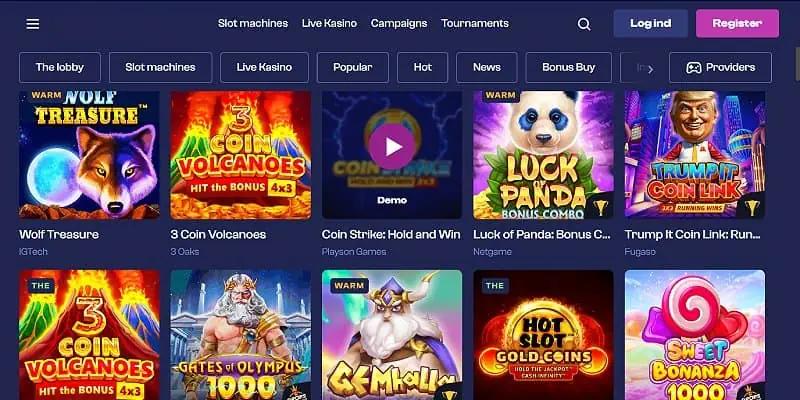
Standardize IDs and cache provider manifests, then retry only failed chunks. I avoided catalog mismatch by staging updates per provider.
Which security step mattered most for gambling API integration?
I relied on signed callbacks and HMAC verification before crediting. It blocked tampered events in sandbox drills.
Turnkey or white-label casino API—what did you choose?
I picked turnkey when the goal was speed, then moved to custom later. My projects showed around a 30–60 day gap depending on complexity.
What QA checks prevent casino platform API surprises?
Test token expiry, cashout idempotency, retries, and payout reconciliation. I also ran 200 automated smoke bets per release stage.


Recent Comments