
Social influences on gambling behavior: A deeper look at community impact
The Role of Community in Shaping Gambling Trends
Gambling is not merely an isolated activity; it thrives within the fabric of community interactions. This interconnectedness can significantly influence individual behaviors, often pushing people toward or away from gambling activities based on communal attitudes. When communities embrace gambling as a form of entertainment, it can encourage participation among their members. Conversely, if a community openly frowns upon gambling, individuals may choose to abstain due to fear of social ostracism or negative perceptions.
One vivid example of this phenomenon can be seen in various cultural settings around the world. In some communities, gambling serves as a social gathering point, where friends and family come together to share experiences. In these cases, gambling is viewed as an exciting event rather than a vice. As a result, this tendency can lead to an increase in gambling activities, often justified by social norms that frame it as acceptable or even desirable.

The Impact of Socioeconomic Factors
The socioeconomic landscape of a community plays a pivotal role in shaping gambling behaviors. In economically disadvantaged areas, gambling may be perceived as a possible escape from financial stress, often leading to higher rates of gambling participation. Conversely, wealthier communities might see gambling more as a form of leisure rather than a necessity. This divergence can create distinct gambling cultures within a city, as participation levels and attitudes fluctuate according to local economic conditions.
This means that public policies aimed at gambling regulation must consider the local socioeconomic climate. Institutions providing resources for responsible gambling can help mitigate negative consequences, especially in communities where the allure of quick financial gain can overshadow the risks involved. Ultimately, understanding these socioeconomic layers can help stakeholders create tailored strategies that reflect the unique needs of different communities regarding gambling behavior.
The Role of Peer Influence
Peer groups can significantly influence decisions regarding gambling, especially among younger adults. The friendships that individuals cultivate often shape their views and behaviors, making peer influence a vital component in understanding gambling dynamics. A group of friends that frequently engages in gambling activities can create a culture of acceptance, leading to higher participation rates among its members. This phenomenon can be further magnified during social events where gambling activities are normalized, encouraged, and even celebrated.
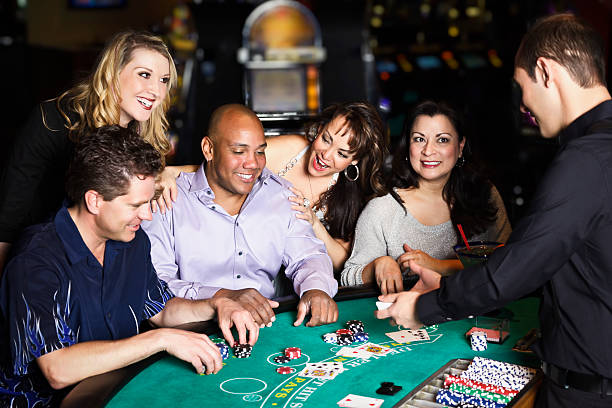
Moreover, younger individuals, who may be more susceptible to peer pressure, often engage in gambling to fit in or gain social status. This can lead to a troubling cycle where youth get drawn into gambling due to perceived social benefits, despite the potential risks involved. As such, addressing this aspect of community influence is crucial for fostering healthier gambling behaviors among adolescents and young adults.
The Influence of Media and Technology
Modern media plays an undeniable role in shaping perceptions of gambling within communities. From television advertisements promoting online casinos to social media influencers showcasing gambling lifestyles, the portrayal of gambling in popular culture can distort reality. These messages often glamorize gambling, creating a misconception that it is a surefire way to achieve success or happiness, effectively normalizing risky behaviors.
The rise of mobile and online gambling platforms has further changed how communities engage with gambling. The convenience and accessibility of these platforms can lead to increased participation, as individuals might find themselves gambling from the comfort of their homes at any time. Communities must adapt to this shift in behavior and address the modern complexities associated with gambling, including the potential for addiction and financial loss.
Understanding Community Engagement: A Resource for Awareness
Community awareness and education are critical when it comes to addressing the social influences on gambling behavior. Engaging local organizations to provide information about gambling risks and the importance of responsible behaviors can foster a more informed community. By promoting open discussions about gambling, especially in schools and community centers, we can help dispel myths and encourage healthier attitudes.
For more resources and information, consider visiting https://3rdkingslandirregulars.net/. Their extensive material can further illuminate the social dynamics surrounding gambling and offer valuable insights into community initiatives aimed at understanding and mitigating its impact. Through collective awareness and action, communities can create environments that prioritize well-being and responsible gaming practices.


Leave A Comment