
Exploring cultural perceptions of gambling in today's world
Historical context of gambling
Gambling has been an integral part of human civilization for centuries, with its roots tracing back to ancient cultures. Archaeological findings suggest that games of chance were played in China as far back as 2300 BC. Similarly, the Roman Empire embraced various forms of gambling, including dice games and betting on gladiatorial contests. These historical practices laid the groundwork for modern gambling, reflecting societal values and beliefs surrounding fortune and risk. Many players today turn to reputable online platforms, such as payid casinos, that uphold these traditions in a modern context.

Throughout history, gambling has been viewed through various lenses. In some cultures, it is celebrated as a social pastime, while in others, it is condemned as morally questionable. For instance, in many Indigenous cultures, gambling is interwoven with traditional rituals and community bonding. Conversely, during the Middle Ages in Europe, the Church denounced gambling, viewing it as a sin and a vice that could lead to moral decay. This dichotomy illustrates the diverse cultural attitudes toward gambling.
As societies evolved, so did their approaches to gambling. The advent of regulated gambling establishments in the 19th century, such as casinos in Europe and the lottery systems in the United States, marked a shift in perception. Legalization provided a framework to manage and control gambling, transforming it from a clandestine activity into a mainstream form of entertainment. This evolution reflects the ongoing negotiation between cultural values and economic interests in the context of gambling.
Cultural attitudes in contemporary society
Today, cultural attitudes toward gambling vary widely across the globe. In some countries, such as Australia and the United Kingdom, gambling is viewed largely as an accepted form of entertainment, supported by a robust regulatory framework. The presence of numerous casinos, sports betting opportunities, and online gambling platforms speaks to this acceptance. As a result, these nations have developed comprehensive measures to promote responsible gambling while maximizing economic benefits.
Conversely, in regions like the Middle East and parts of Asia, gambling remains heavily stigmatized or outright illegal. In countries like Saudi Arabia, where Islamic law prohibits gambling, engaging in such activities can lead to severe legal consequences. This cultural resistance often stems from deeply held beliefs about morality and ethics, demonstrating how societal norms shape perceptions of gambling. As globalization continues to influence cultural exchanges, these attitudes may experience shifts over time.
Additionally, within cultures that permit gambling, generational differences have emerged in attitudes toward it. Younger generations often embrace technology-driven gambling platforms, such as mobile applications and online casinos, viewing them as convenient and accessible forms of entertainment. Meanwhile, older generations may adhere to traditional views, emphasizing the risks and potential harms associated with gambling. This generational divide highlights the complex dynamics at play in cultural perceptions of gambling today.
The role of media and representation
The media plays a significant role in shaping cultural perceptions of gambling. Television shows, films, and documentaries often portray gambling as glamorous, thrilling, or even heroic. Iconic characters from popular culture, such as James Bond, frequently engage in high-stakes gambling, reinforcing the notion that it is an exciting pursuit. This representation can create an allure, drawing individuals toward gambling activities by romanticizing the risks involved.
However, the media’s portrayal of gambling is not without its criticisms. Many experts argue that it frequently downplays the potential negative consequences of gambling addiction and financial ruin. By focusing on the excitement and thrill, media representations may contribute to a culture of normalization, making gambling appear more socially acceptable than it might be in reality. Such a one-dimensional portrayal fails to capture the nuanced experiences of those who struggle with gambling-related issues.
As the landscape of media evolves with the rise of digital platforms, so too does the portrayal of gambling. Social media, in particular, has transformed how gambling is marketed and consumed. Influencers and content creators often promote online casinos, creating a buzz around new games and betting opportunities. This dynamic interaction between media and culture complicates the narrative surrounding gambling, creating a tapestry of both celebration and caution.
Social implications and the gambling industry
The gambling industry has a profound impact on social structures and economies. In many countries, legalized gambling generates significant tax revenue, which can be allocated to public services and infrastructure. For instance, states in the U.S. that have legalized casinos often report increased funding for education and healthcare. This economic benefit underscores the complex relationship between gambling and societal welfare.
However, the social implications of gambling extend beyond economic factors. Issues such as gambling addiction, mental health concerns, and the potential for financial strain on families cannot be overlooked. Many communities face challenges in addressing these problems, as they often lack adequate resources to provide support for those affected by gambling-related issues. This duality of benefit and harm reflects the intricate balance societies must navigate when considering the cultural significance of gambling.
Furthermore, the rise of online gambling has intensified these social implications. The accessibility and anonymity of online platforms can lead to increased gambling participation, especially among vulnerable populations. As these platforms often target younger audiences through engaging marketing strategies, there is growing concern about the potential normalization of gambling among youth. This evolving landscape necessitates ongoing dialogue and research to address the challenges and opportunities that modern gambling presents.
Understanding gambling in a global context
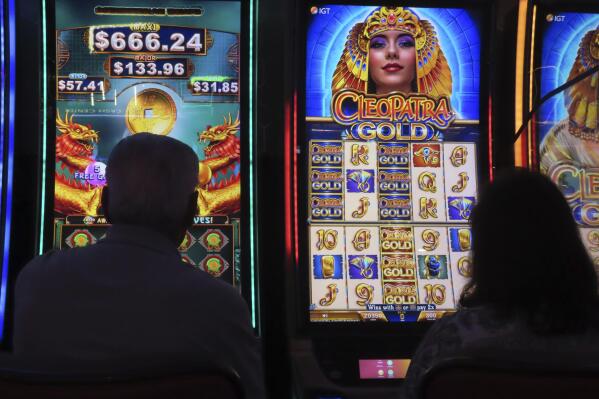
Understanding gambling within a global context requires examining various cultural frameworks that influence perceptions. In many Western societies, gambling is often associated with leisure and entertainment. The emergence of themed casinos and entertainment complexes illustrates how deeply entrenched gambling is in contemporary leisure culture. This contrasts sharply with societies where gambling is viewed as a dangerous vice, suggesting that cultural narratives profoundly shape experiences and attitudes.
The globalization of gambling practices has also led to the rise of transnational gambling hubs. Cities like Macau and Las Vegas have become synonymous with gambling tourism, drawing millions of visitors annually. These locations serve as microcosms of broader cultural attitudes, showcasing how different societies approach gambling and its implications. In these hubs, cultural hybridity emerges, as local traditions blend with global influences, creating unique gambling experiences.
As the landscape of gambling continues to evolve, it is essential to consider how cultural perceptions will shape its future. Advances in technology, changing societal norms, and the ongoing discourse surrounding responsible gambling will play pivotal roles in determining how different cultures engage with gambling. Ultimately, understanding this cultural complexity is crucial for stakeholders, policymakers, and communities as they navigate the multifaceted world of gambling.


Leave A Comment